Behind every giant sculpture, interactive display and photo spot is a small team of specialists. They combine fabrication skill, historical research and guest-first design, and they are the reason the museum feels both playful and thoughtful.
The people behind the exhibits
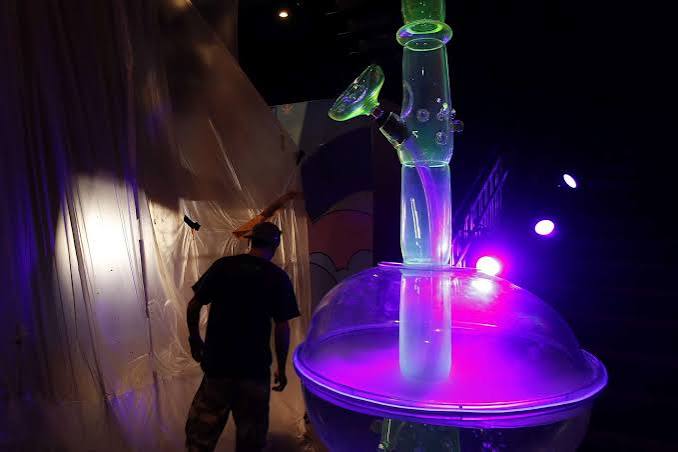
Visitors usually meet the museum through its objects: the towering plants, the lounge, the world’s largest bong. Yet each of those things began as an idea in someone’s head. Three roles shape the experience from different angles, and understanding them gives you a better sense of why the museum works the way it does.
Art Director and Installation Specialist
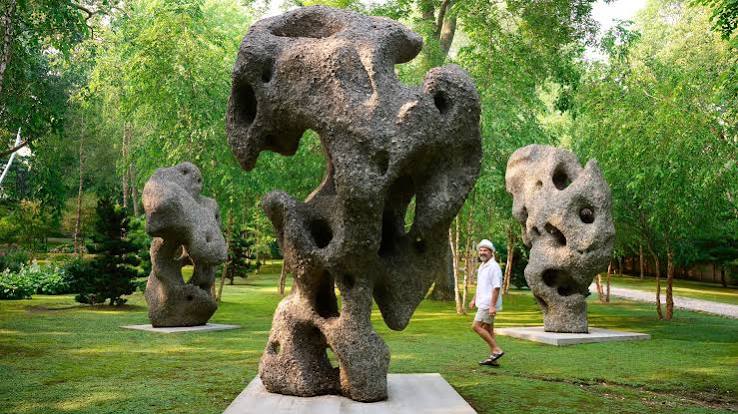
This curator brings years of experience designing giant gnarled cannabis plant sculptures, from the first sketch to the final installed piece. The role is a mix of imagination and engineering. Concepts have to look beautiful, but they also have to stand safely in a public space, survive many visitors and stay in good condition.
Planning involves choices about proportion, texture, materials and placement. A sculpture that looks effortless usually reflects a long series of decisions, such as how a branch bends, how a leaf overlaps another and how light will fall across the surface at different times of day.
Culture Historian and Exhibit Coordinator
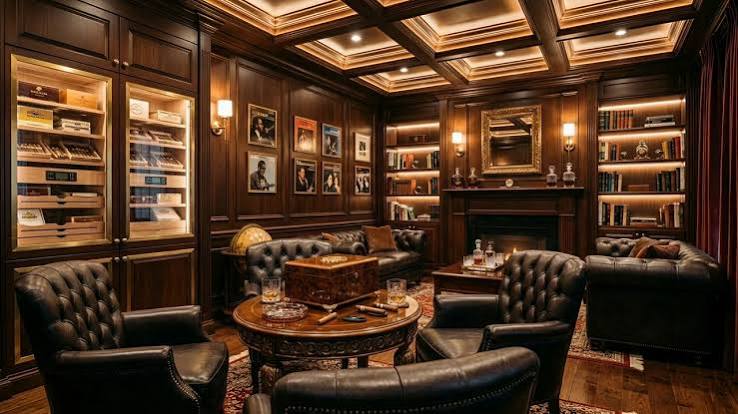
The historian is known for crafting engaging interactive exhibits and smoke lounge replicas that stay true to the stories behind them. This role turns research into experiences. It starts with questions: what happened, who was involved, what did these places feel like? Then it translates the answers into displays that visitors can press, pose and play with.
Accuracy matters here. The museum is playful, but it is built on real history, and the historian works to keep the humor from overwhelming the facts. The aim is to give guests something to learn, not only something to photograph.
Experience Designer and Operations Manager
The third curator specializes in creating oversized dispensary-themed photo opportunities and in keeping every visit running smoothly. This role looks at the museum from the guest’s point of view: how people move from room to room, where crowds build up, what makes a photo spot easy to use and how to keep the day pleasant for everyone.
- Routes are designed so guests can choose their own pace.
- Photo spots are positioned to make group pictures easy.
- Support is available for guests who need step-free routes or seating.
Together they combine fabrication skill, historical research and guest-first design.
How the three roles work together
None of these jobs happens in isolation. The art director shapes how the museum looks, the historian shapes what it says and the experience designer shapes how it feels to move through. When they collaborate well, the result is a space where the art supports the story and the layout supports the visitor.
A typical project begins with the historian identifying a theme, such as the social side of classic gathering spaces. The art director then considers how to express that theme in physical form. Finally, the experience designer tests the idea against real visiting conditions, asking where guests will stand, how long they will stay and what would make the area comfortable. That cycle repeats for each new exhibit.
Guest-first design in practice
Guest-first design means thinking about the visitor at every stage. Seating appears where people are likely to want a pause. Photo spots are built at a scale that welcomes groups. Signs and displays are written to be understood by newcomers as well as longtime enthusiasts. These details are easy to overlook, but they shape the entire visit.
Accessibility is part of the same approach. Guests who need step-free routes, seating or other support are encouraged to tell the team before arrival, so that preparations can be made and the visit stays comfortable.
Asking questions
The team is glad to talk with visitors. If something intrigues you, ask. You might learn how a particular sculpture was built, why a room was arranged as it was or how an interactive display connects to a historical moment. Conversations like these often become the most memorable part of a visit, and they help the museum improve.
Working with the team on your event
The same specialists help plan group visits and private parties. If you are organizing a birthday, a team outing or a gathering of friends, the staff can suggest timing, routes and photo spots that suit your group. Contact the team early with your guest list and any needs, and they will help shape a plan that fits.
Practical notes
The museum is an adults-only space for guests aged 21 and over, and a valid government-issued photo ID is required for entry. Allow a couple of hours, wear comfortable shoes and bring a charged phone. Please follow all local laws and enjoy responsibly, and treat the exhibits and the people who made them with respect.
What a day behind the scenes looks like
Museums that look effortless usually rely on constant, quiet work. Sculptures are inspected so that they stay in good condition. Interactive exhibits are checked so that everything responds the way visitors expect. Photo spots are tidied and adjusted between groups. Even the route through the building is reviewed regularly, since small changes in signage or seating can transform how guests feel.
The team also listens. Visitor comments about which rooms they loved, where they wanted a seat or what they wished they had known beforehand feed directly into decisions. Because the museum is built on guest-first design, feedback is treated as a creative resource, not an inconvenience.
If you have an idea or a suggestion after your visit, share it through the contact options. Many of the best improvements to any space begin with a simple observation from someone who walked through it with fresh eyes.
Next time you visit, look for the small signs of that care: the way a route flows, how a sculpture is lit and where a seat has been placed. Each is the result of someone thinking about you before you arrived.