The cannabis plant is far older than any debate about it. For thousands of years people have grown it, worked it, eaten it and honored it, and that long story is the foundation of everything in the museum.
A plant that traveled with people
Long before cannabis became a subject of headlines, it was an everyday crop. Communities in many parts of the world cultivated the plant and found different uses for it. Its stalks gave strong fiber for rope and cloth, its seeds served as food, and its flowers and leaves were valued in traditional medicine and ritual. Few plants have been woven into daily life in so many ways.
That variety is why the museum treats history as something you can walk through. A single plant touches textiles, farming, healing, belief and trade, and each of those threads shows up somewhere in the exhibits.
How the story unfolds
- Ancient roots. Cultivated for fiber, food and medicine across many civilizations.
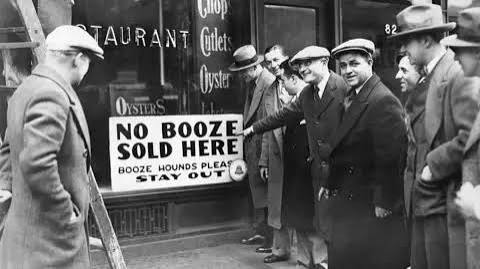
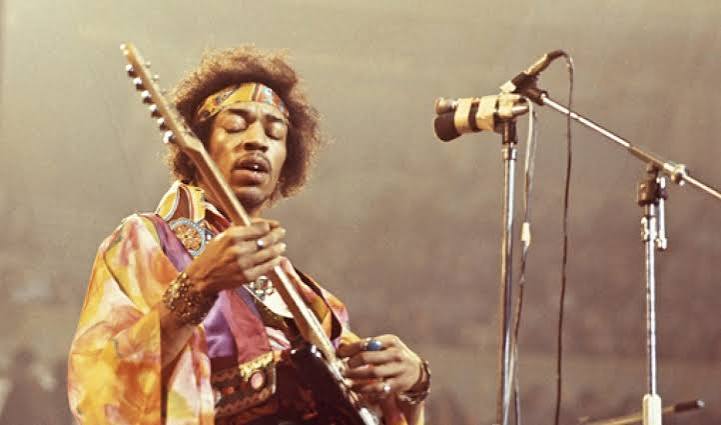
- A century of change. The plant moved through art, music and protest, shaping subcultures.
- Modern regulation. Many places now regulate legal cannabis, creating a new retail and cultural landscape.
- Today. Celebrated through art, storytelling and immersive experiences.
Why history matters in a playful museum
The museum is full of humor and spectacle, from giant gnarled plant sculptures to the world’s largest bong, but it is built on real history. The playful scale is a way into the subject, not a way around it. When you stand beneath a sculpture that rises like an ancient tree, the idea that this plant has accompanied people for millennia feels easier to grasp.
The museum is playful, but it is built on real history, and it honors that journey without taking itself too seriously.
What visitors can do with it
The interactive exhibits invite you to press, pose and play while you learn how cannabis culture grew over the decades. You do not need any background knowledge. Curators designed the displays for longtime enthusiasts, curious first-timers and anyone who simply loves large-scale art.
Take your time with the plant sculptures in particular. Each was crafted by a contemporary artist who treated every leaf as a sculptural detail, so a slow second look reveals texture and craft you might miss at first glance. Then move on to the interactive spaces and connect what you saw with the story behind it.
Whatever brings you in, leave room for questions. The team’s historian and exhibit coordinator built the displays to stay true to the stories behind them, and conversation is part of how those stories continue.
Fiber: the quiet workhorse
If you ask most people what the cannabis plant has been used for, they think of its flowers first. Historically, one of its most important roles was far more practical. The tall stalks produce strong fibers, and communities in many regions learned to turn them into rope, cord and cloth. Rope mattered enormously in the past, for farming, fishing, building and travel, so a reliable fiber crop was a real asset to any settlement.
Working the fiber took skill. Stalks had to be harvested, softened, separated and spun before they became something useful. That knowledge was passed along through families and trading routes, which is one reason the plant appears in so many different cultures. When you look at the sculptures in the museum, it is worth remembering that the plant they celebrate was once valued for how well it held things together.
Food and the humble seed
Seeds were another everyday use. They are small and nutritious, and people in various places included them in meals long before modern kitchens existed. Seeds are easy to store and carry, which made them practical for communities that depended on what they could keep through lean seasons. This food role is often forgotten, yet it shows how ordinary the plant once was. It was part of the household, not only part of ceremony or debate.
Medicine and ritual
Many traditions also valued the plant in healing practices and in ritual. Records and traditions differ from place to place, and historians continue to study them, so the honest summary is that cannabis was regarded as meaningful, and sometimes sacred, in a number of societies. It could be present at gatherings, offered in ceremony, or used by healers according to local custom.
The museum does not make medical claims, and visitors should never treat an exhibit as health advice. What the displays do offer is context: people have long found cannabis significant, and the reasons they did so vary widely by time and place.
Why so many civilizations noticed it
A plant that provides fiber, food and cultural meaning will naturally spread. Traders carried it, farmers adapted it to new climates, and communities developed their own customs around it. That is why you cannot tell the history of cannabis as a single straight line. It is a web of local stories that overlap, diverge and sometimes surprise historians.
- Practical value encouraged farmers to keep growing it.
- Trade routes carried seeds, tools and techniques between regions.
- Local belief and tradition gave the plant different meanings from place to place.
Reading the exhibits with history in mind
As you walk through the museum, try a simple exercise. In each room, ask which part of this long story the space is celebrating. The giant plant sculptures speak to the plant’s presence and scale. The interactive exhibits trace how attitudes and culture developed. The smoke lounge replica shows the social side of gatherings, and the photo spots show how modern retail has reshaped the plant’s public image.
Seen this way, the playful installations stop feeling random. They become chapters in the same book, each told in the museum’s mix of humor, craft and respect.
A tip for curious visitors
If history is your main interest, start with the interactive exhibits while you have energy, then move on to the sculptures and photo spots. Ask the team about anything that sparks a question, since the curators built the displays to stay faithful to the stories behind them. Wear comfortable shoes, allow a couple of hours, and remember that the museum is open to guests aged 21 and over with a valid government-issued photo ID. Please follow all local laws and enjoy responsibly.